
Skills Dissemination, Team Building and Production Practice: Preparing the Ground for the Final Sonic Bridges Film in Skopje
In May 2026, Moving Classics: Sonic Bridges brought together artistic research, pre-production planning and a skills development and dissemination event in Skopje, North Macedonia, establishing the creative and practical foundations for the second Irish-led film in the project.
As the last film in the anthology to assemble its creative and production team, the work presented an opportunity to bring the wider collection together. The partners agreed that it should serve as a bookend to the ten Sonic Bridges films, drawing together the project’s exploration of cultural identity, connection and the relationships between people and places.
With the anthology intended for presentation in Skopje in 2028, the decision was made to locate production in North Macedonia rather than Ireland. This would allow the final film to develop through direct engagement with the city, its creative community and the cultural context in which the completed anthology would be presented. The first research and development visit brought together Creative Placemakers and UMPACI with Irish writer Stephen James Smith and Macedonian animator Krste Gospodinovski. Alongside their artistic development work, the partners connected the residency with a skills development and dissemination event through the Future Storytelling programme, working with Europa Prima University and hosted at International Balkan University in Skopje.
The combined activities were designed to establish the film’s narrative and artistic approach while developing the local skills and professional relationships needed to produce it. Particular emphasis was placed on building the capacity of emerging Macedonian creative professionals to participate in European cooperation productions, connecting university learning with the practical demands of international filmmaking.
Creating a Bookend for the Sonic Bridges Anthology
Moving Classics: Sonic Bridges brings together artists and cultural organisations from Iceland, Ireland, Cyprus, Bosnia and Herzegovina, Montenegro and North Macedonia to create ten short films exploring cultural identity and the connections between communities.
Working under the theme Culture Over Division, the project gives artists the freedom to explore different approaches to storytelling, image and sound while contributing to a shared international anthology. The second Irish-led film has a particular role within this structure. As the final production to be assembled, it offers an opportunity to reflect on the themes and creative relationships developed across the wider project. Rather than treating the film as an independent commission with no relationship to the other works, the partners began by considering how it could provide a meaningful conclusion to the anthology.
This did not mean establishing a fixed story in advance. The residency was intended to create the conditions in which the writer, animator and production partners could explore the film’s narrative possibilities together, responding to the project as a whole while allowing a distinctive artistic approach to emerge.
Developing the Narrative in North Macedonia
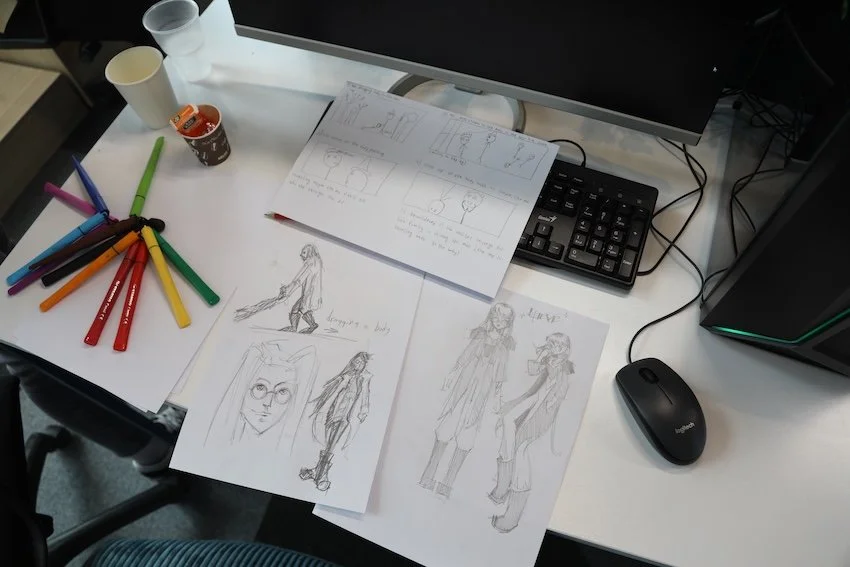
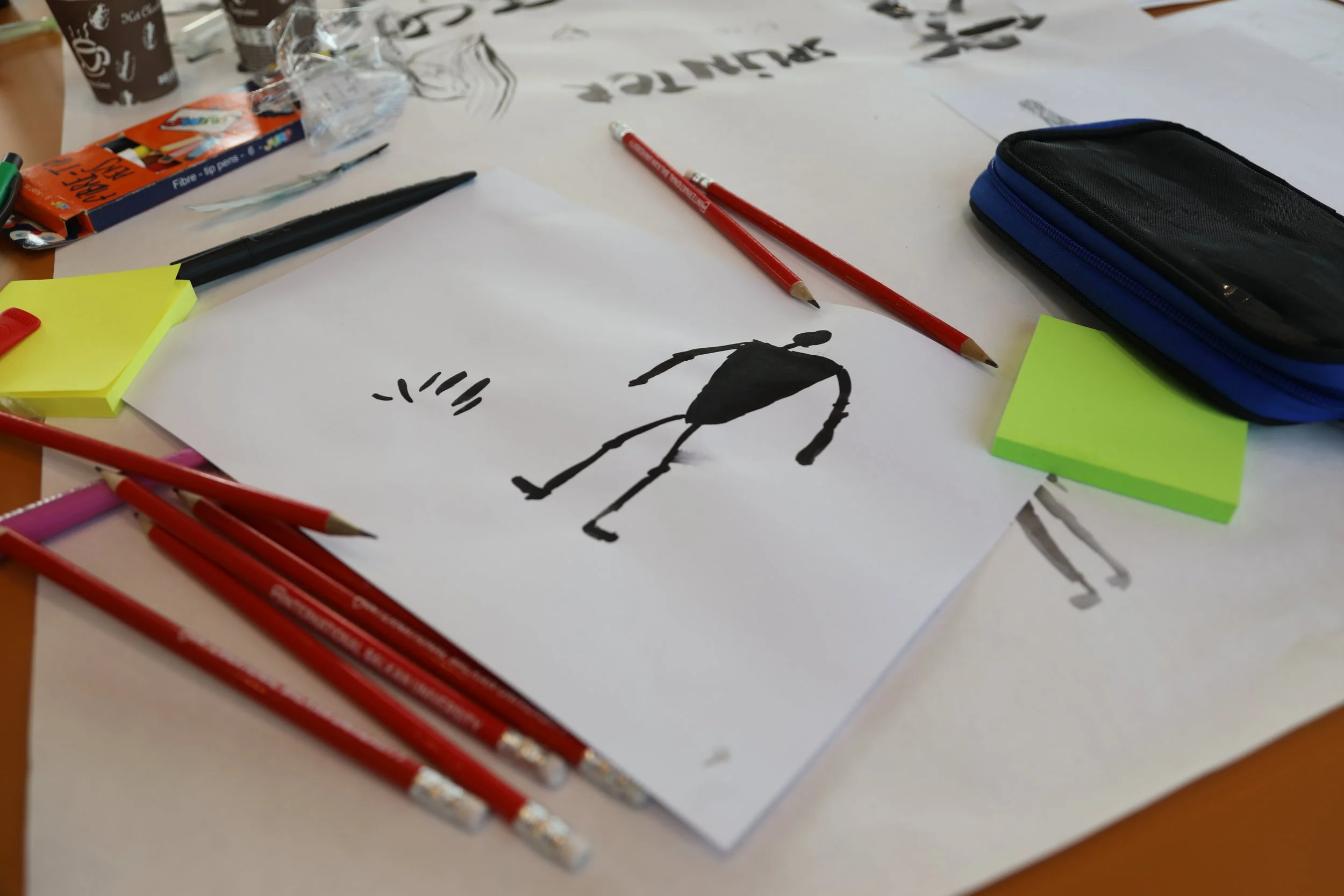
The decision to base production in Skopje gave the creative team an opportunity to develop the film through research and collaboration in the place where the anthology is intended to be presented. Working with Stephen James Smith and Krste Gospodinovski, Creative Placemakers and UMPACI began exploring the relationship between narrative, animation and the film’s wider cultural context. The research visit created space to consider the ideas that could connect the final work to the anthology, the possibilities offered by animation and the practical requirements of translating an emerging narrative into a completed film.
The collaboration between a writer and an animator was particularly important to this process. Rather than developing a script in isolation and subsequently handing it to a visual artist, the approach encouraged narrative and visual thinking to inform one another from the outset. Questions of character, perspective, environment, movement and dramatic action could therefore be explored together, allowing the form of the film to develop alongside its story. This early dialogue also helped the partners begin identifying the production skills, resources and creative roles that would be required as the work progressed.
Building Local Capacity for European Cooperation Productions
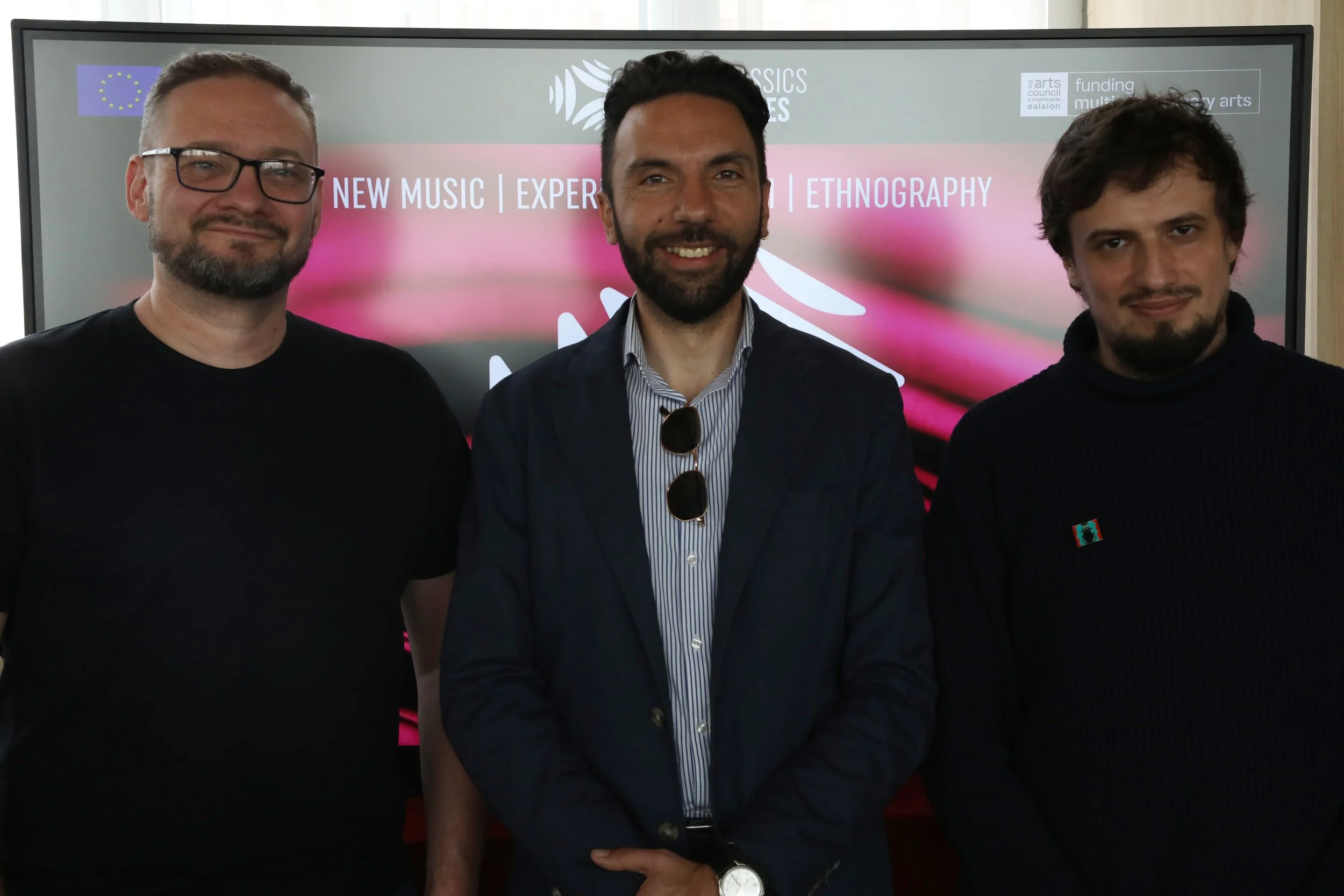
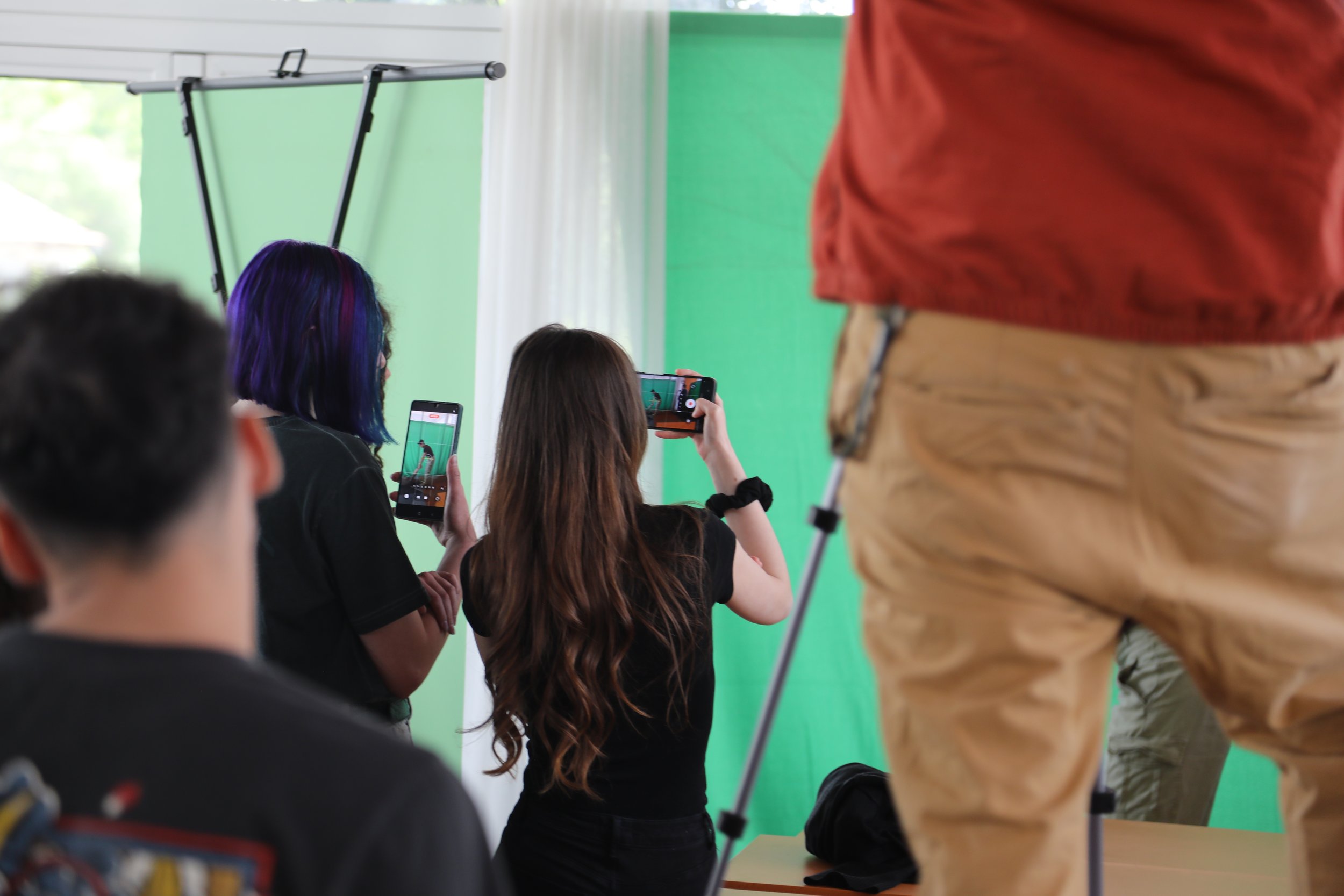
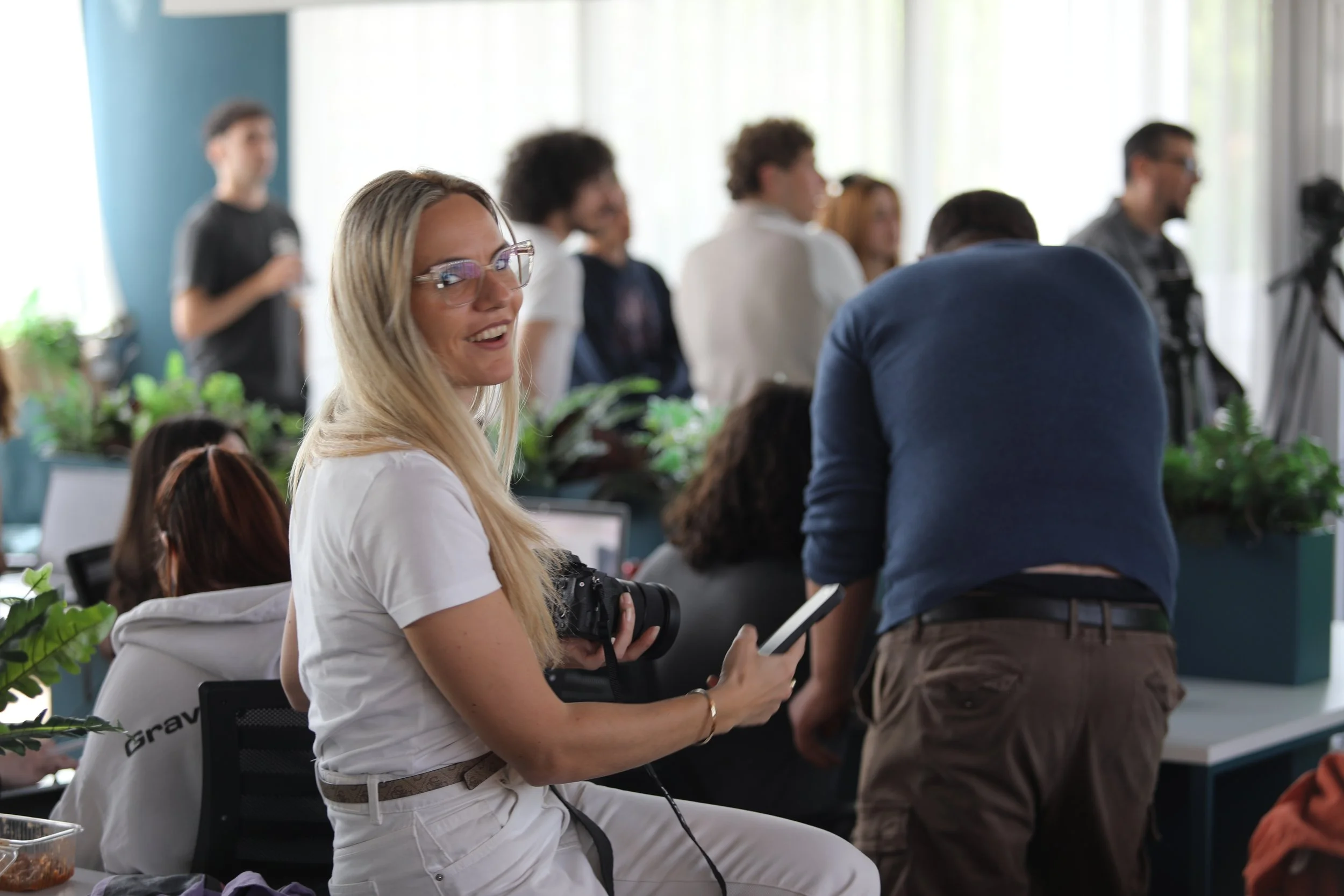
Producing the film in North Macedonia also created an opportunity to strengthen the capacity of locally based creative professionals to participate in international cultural productions. Creative Europe Cooperation Projects bring together organisations and artists from different countries, but delivering the resulting work requires practical skills beyond those associated with individual artistic disciplines. Creative professionals need to understand how international productions are organised, how responsibilities are shared between partners and how creative decisions move through a production process involving people working across different locations.
For emerging filmmakers, animators and digital artists, this includes experience of developing work to an agreed brief, communicating with international collaborators, managing production requirements and contributing to a shared artistic outcome. The partners therefore approached crew development as an integral part of preparing the film. Working with Europa Prima University and International Balkan University, the programme sought to connect emerging talent with professional production methods and provide a practical introduction to the collaborative processes used in international screen production. This was particularly relevant to Sonic Bridges as a European cooperation project. The intention was to develop a locally based team with the confidence and skills to contribute to the new film while gaining experience that could support participation in future international productions.
Future Storytelling: Skills Development and Dissemination
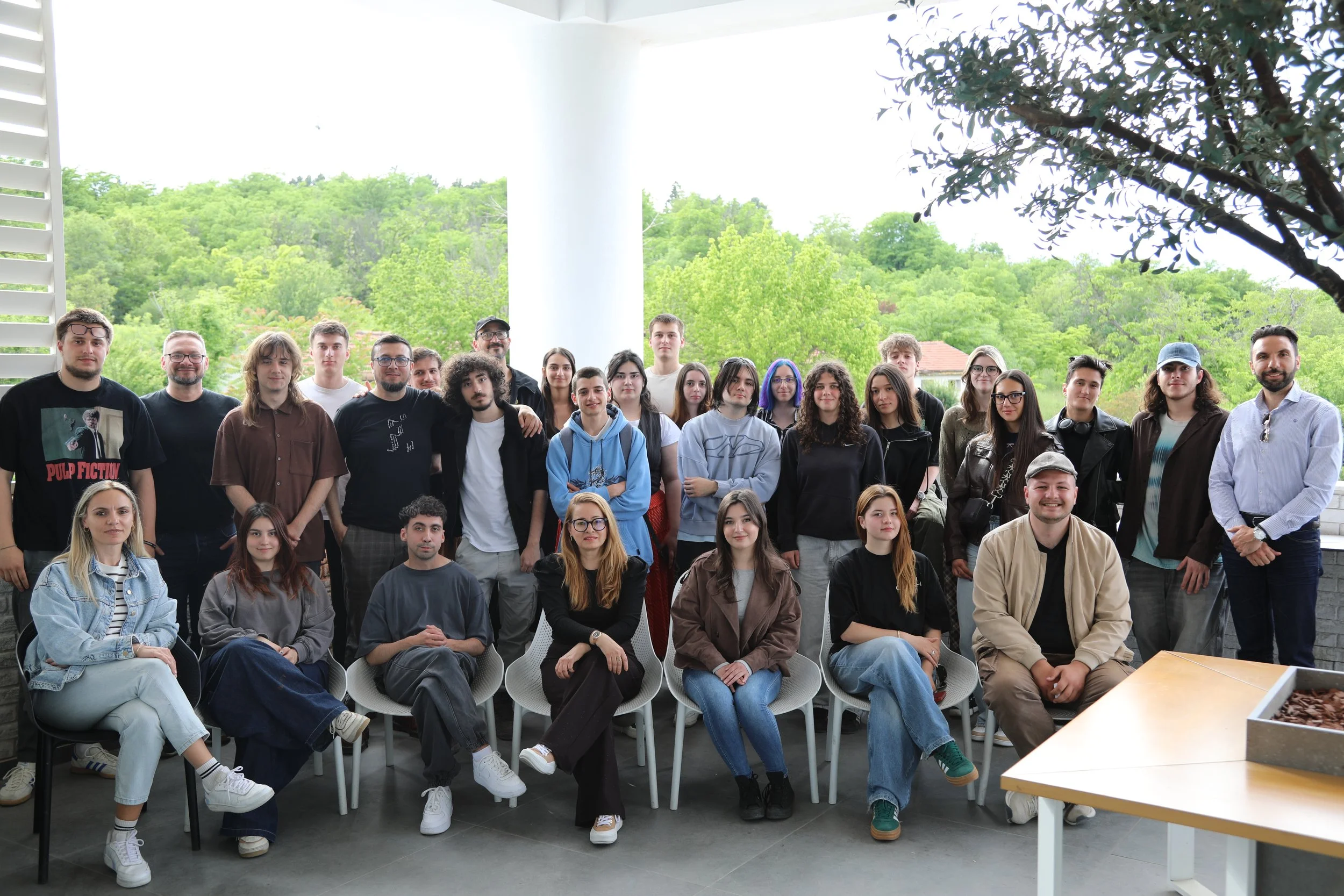
Alongside the film’s research and development, UMPACI and Creative Placemakers delivered Future Storytelling, a practical programme connecting creative education with contemporary animation and digital production. the programme brought together university educators, experienced practitioners and emerging creatives from across North Macedonia.
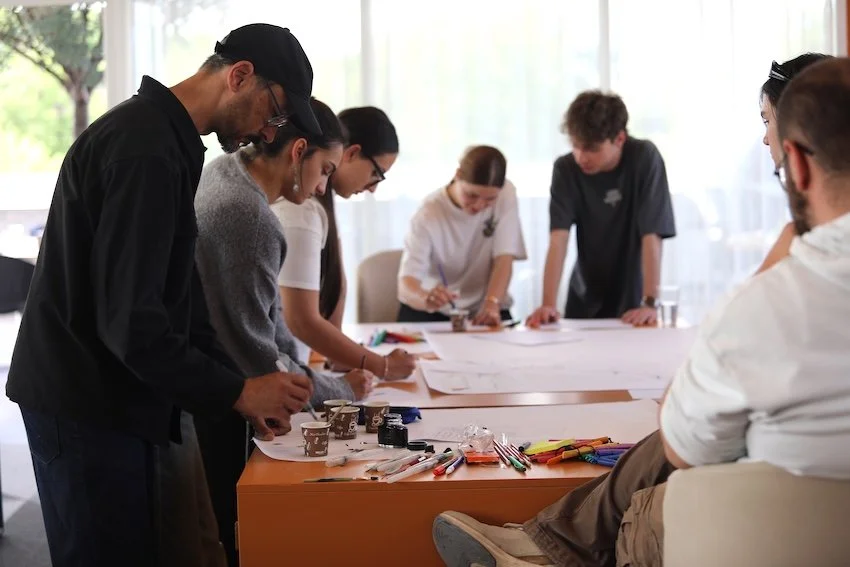
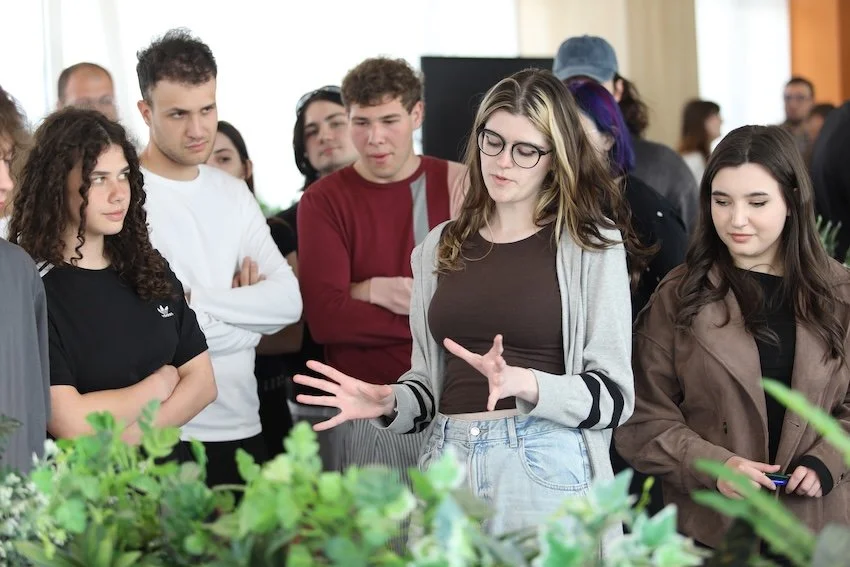
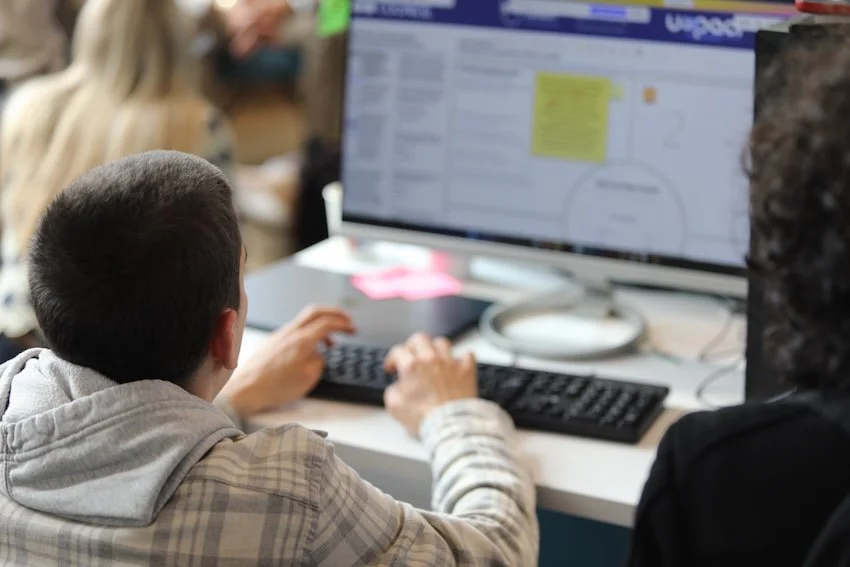
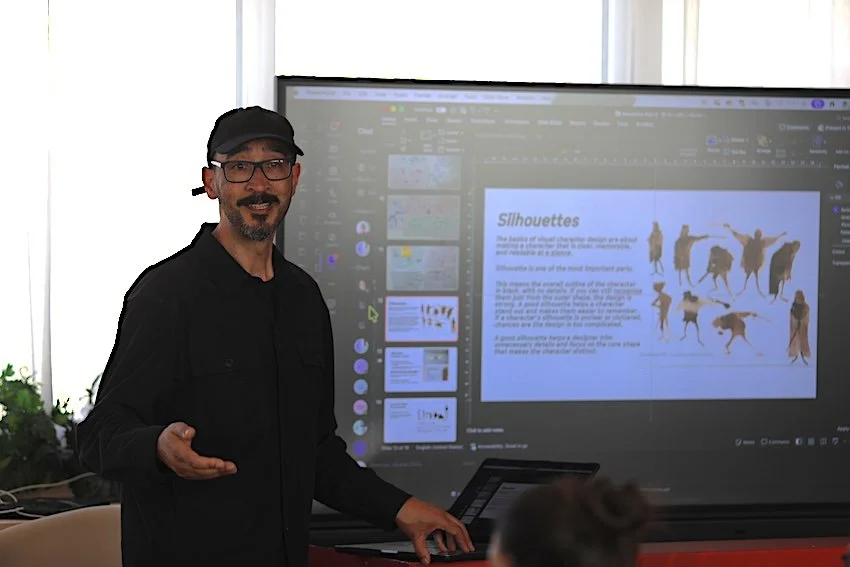
Its central activity was a 72-hour creative challenge, hosted at the Faculty of Art and Design at International Balkan University in Skopje from 13 to 15 May 2026. The programme introduced participants to a structured creative production process, beginning with the formation of multidisciplinary teams and progressing through character development, storytelling, environment design, dramatic action, sound and performance direction.
Participants explored how these decisions could inform motion capture, animation and real-time digital production. The emphasis was on understanding how different creative disciplines work together. A compelling story requires more than a writer, just as a successful animation requires more than technical proficiency. Each contribution must respond to the decisions and requirements of the wider production team.
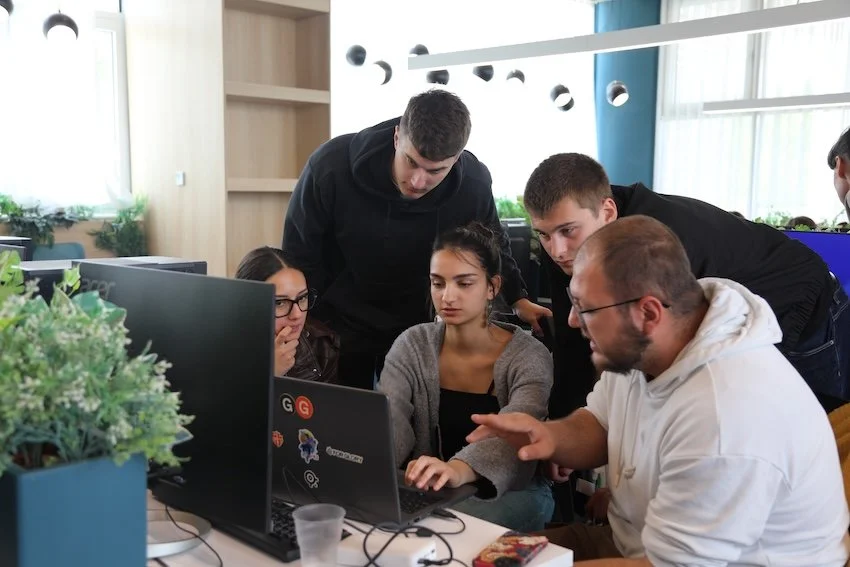
By working through a shared creative challenge, participants gained practical experience of the communication, coordination and creative judgement needed to develop new work collaboratively. The event also provided an opportunity to share the methods developed through Future Storytelling with the wider Macedonian creative and educational community, demonstrating how collaborative approaches to storytelling and digital production could be adapted for future teaching and professional practice.
Connecting Universities, Artists and Production Teams
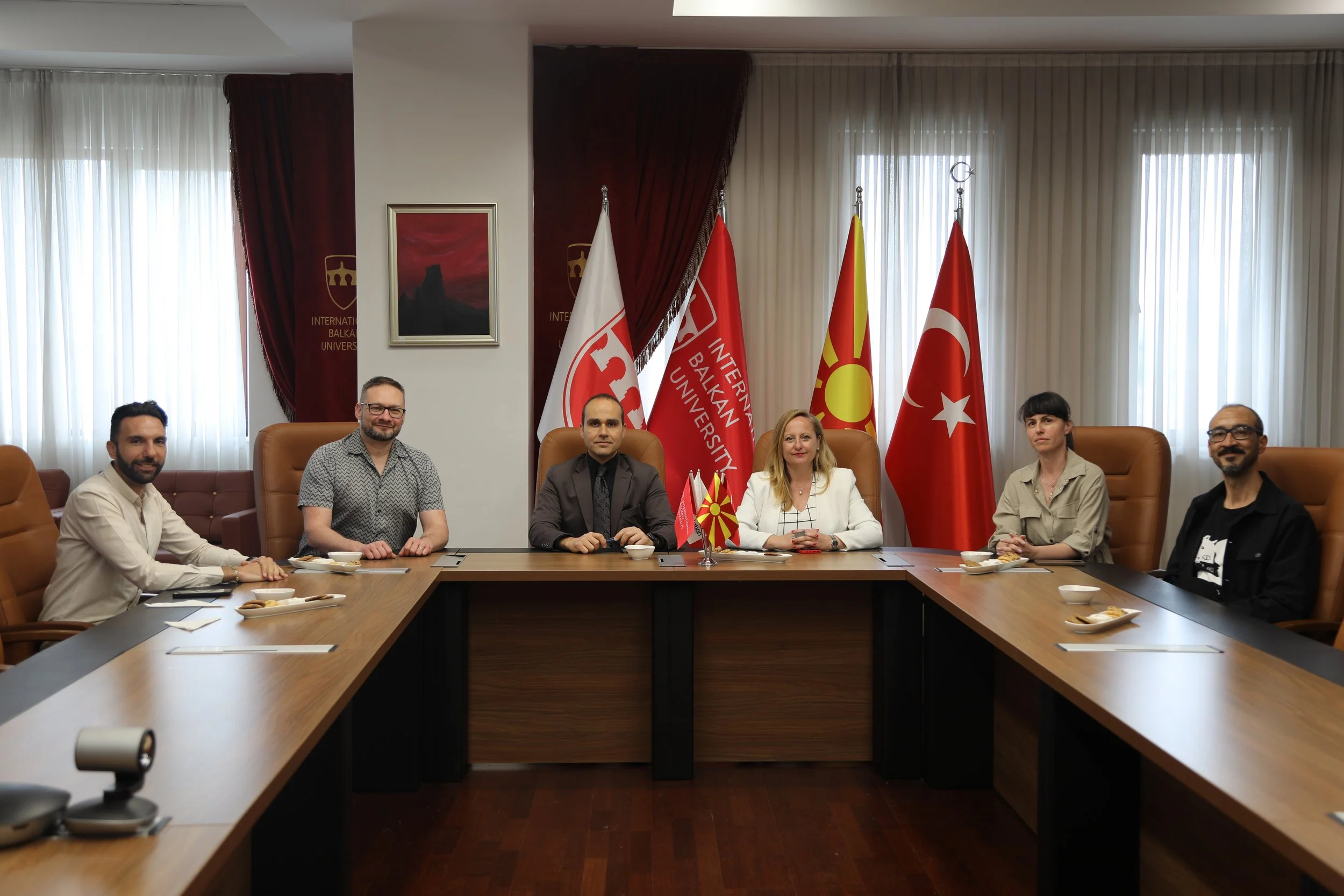
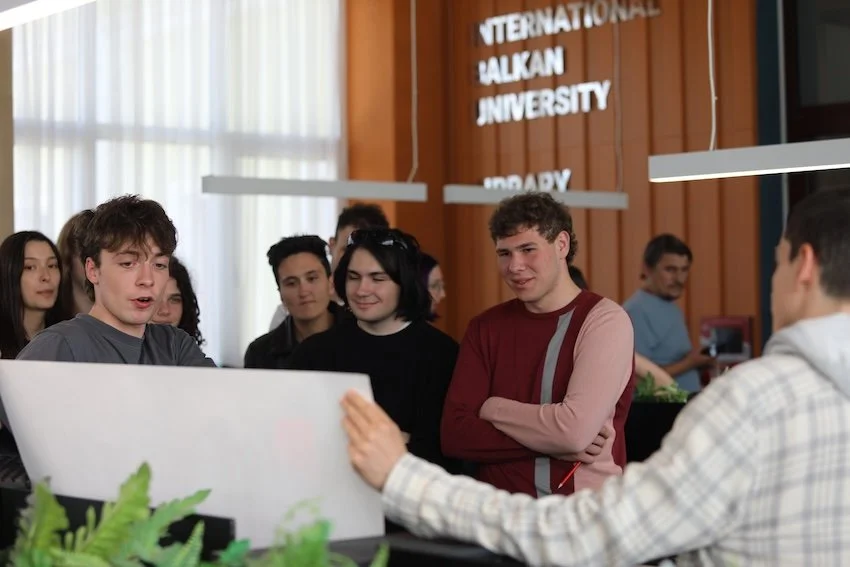
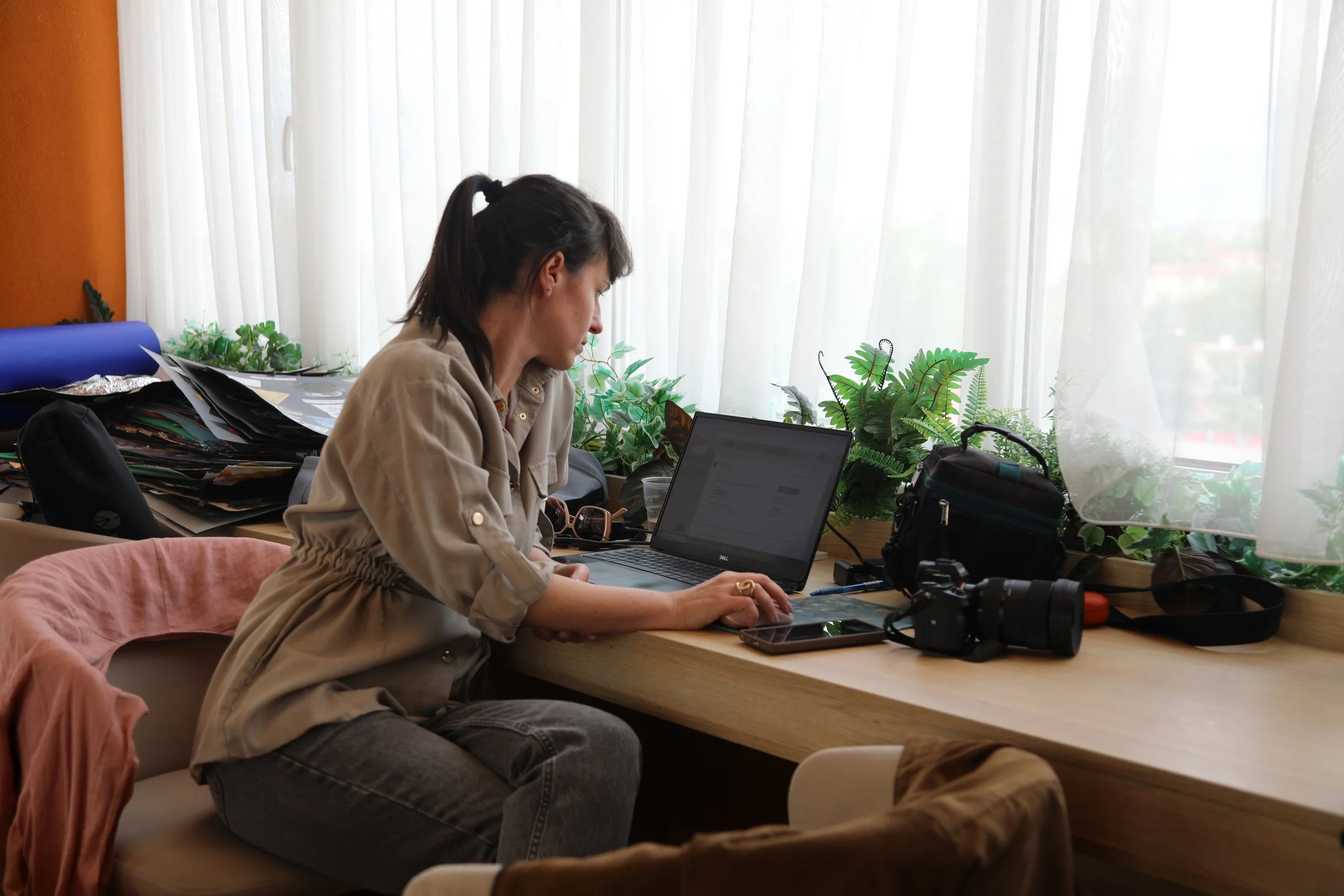
The involvement of Europa Prima University and International Balkan University helped connect the film’s development with the wider creative education community in Skopje. Krste Gospodinovski, an animator and Associate Professor in the Animation Department at Europa Prima University, contributed both professional artistic expertise and experience of supporting emerging creative talent.
The programme also drew on relationships with other Macedonian universities and the School of Digital Arts in Manchester, bringing together perspectives from animation, design, film, computer science and digital production. These relationships were important because the skills required for contemporary screen production rarely sit within a single discipline or institution. Animation and digital filmmaking depend on collaboration between people with different specialisms, from narrative development and visual design to sound, performance and technical production. By bringing these communities together, the programme provided opportunities for emerging practitioners to understand how their individual skills could contribute to a professional production environment. It also established connections between educators, mentors and creative organisations that could support future collaboration beyond the immediate needs of the Sonic Bridges film.
From Research and Skills Development to Production Planning
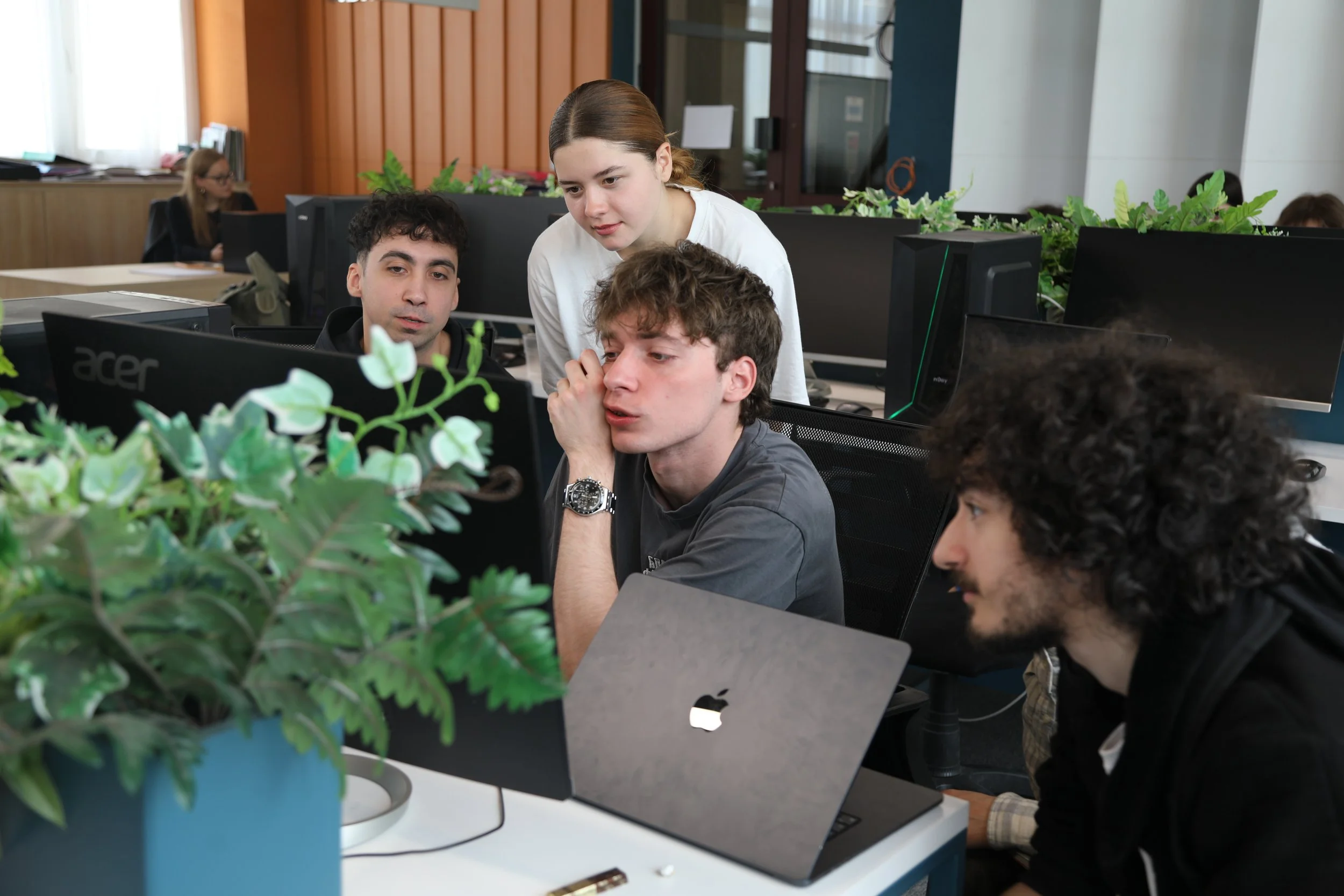
The Skopje residency connected the development of the film’s artistic direction with the practical work of preparing a production team. As Stephen James Smith and Krste Gospodinovski explored the narrative and visual possibilities of the new work, the wider programme helped identify the processes through which those ideas could be developed into a film.
International creative cooperation is most effective when artistic ambition is supported by the skills, relationships and resources needed to deliver it. Establishing those foundations early allows the creative team to make informed decisions about what is possible while retaining the freedom to develop the work. The Future Storytelling programme also continued beyond the initial workshops through mentoring and the development of participants’ creative work. Four independent creative cohorts emerged from the programme, establishing working relationships through which participants could continue applying their skills. For the Sonic Bridges partners, the combination of artistic research, university engagement and professional development provided a stronger foundation for planning the next stages of the film.
Preparing the Composer Open Call
With the film’s position within the anthology established and its initial narrative and visual development under way, the residency also helped clarify the approach to recruiting a composer.
Music is central to Moving Classics: Sonic Bridges. Across the anthology, relationships between moving image, storytelling and original composition provide opportunities for artists from different disciplines and countries to influence one another’s work. For the final Irish-led film, the intention is to ensure that the composer joins a creative process with a clear artistic purpose while retaining sufficient freedom to make an original contribution.
The early collaboration between writer, animator and production partners provides a foundation for developing the composer’s brief. Rather than commissioning music against a predetermined visual sequence, the partners can consider how composition might contribute to the film’s narrative, atmosphere, pacing and emotional development. The decision to produce the film in North Macedonia also creates opportunities for the selected composer to engage with a locally based production team working within a wider European collaboration.
The next stage will therefore be an open call for a composer, informed by the creative research undertaken in Skopje and the film’s intended role as the concluding work in the Sonic Bridges anthology. The selection process will seek an artist capable of responding to the emerging narrative and visual approach while contributing their own creative perspective to the collaboration.

Connecting Creative Development with Lasting Skills
The Skopje residency demonstrated how the development of an international artistic production can also create opportunities for professional learning and stronger local creative networks. For Creative Placemakers and UMPACI, bringing the final Irish-led film to North Macedonia was both an artistic and a practical decision. It allowed the work to develop in relation to its intended presentation in Skopje, connected the production with Macedonian creative expertise and provided an opportunity to strengthen the skills of emerging professionals working in animation and digital media.
The involvement of Stephen James Smith and Krste Gospodinovski established the foundations for the film’s narrative and artistic development, while the university partnerships and Future Storytelling programme supported the development of a wider creative community capable of contributing to international production. As the project moves towards composer recruitment and the next stages of pre-production, these relationships provide a foundation for completing a film intended to bring the Sonic Bridges anthology together.