
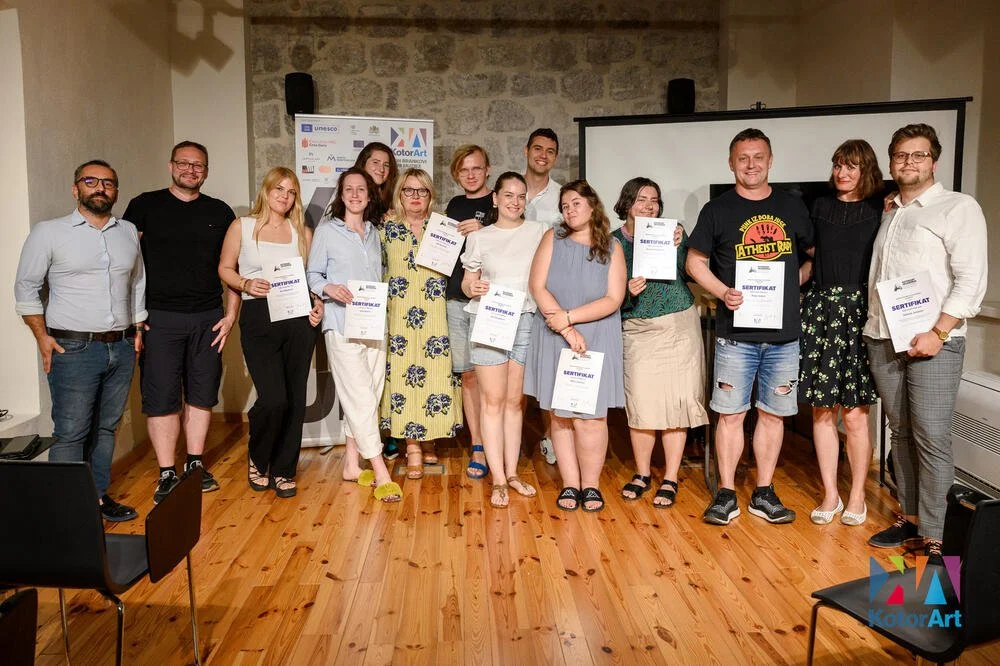
Supporting Emerging Western Balkan Creative Professionals to Work at a European Level
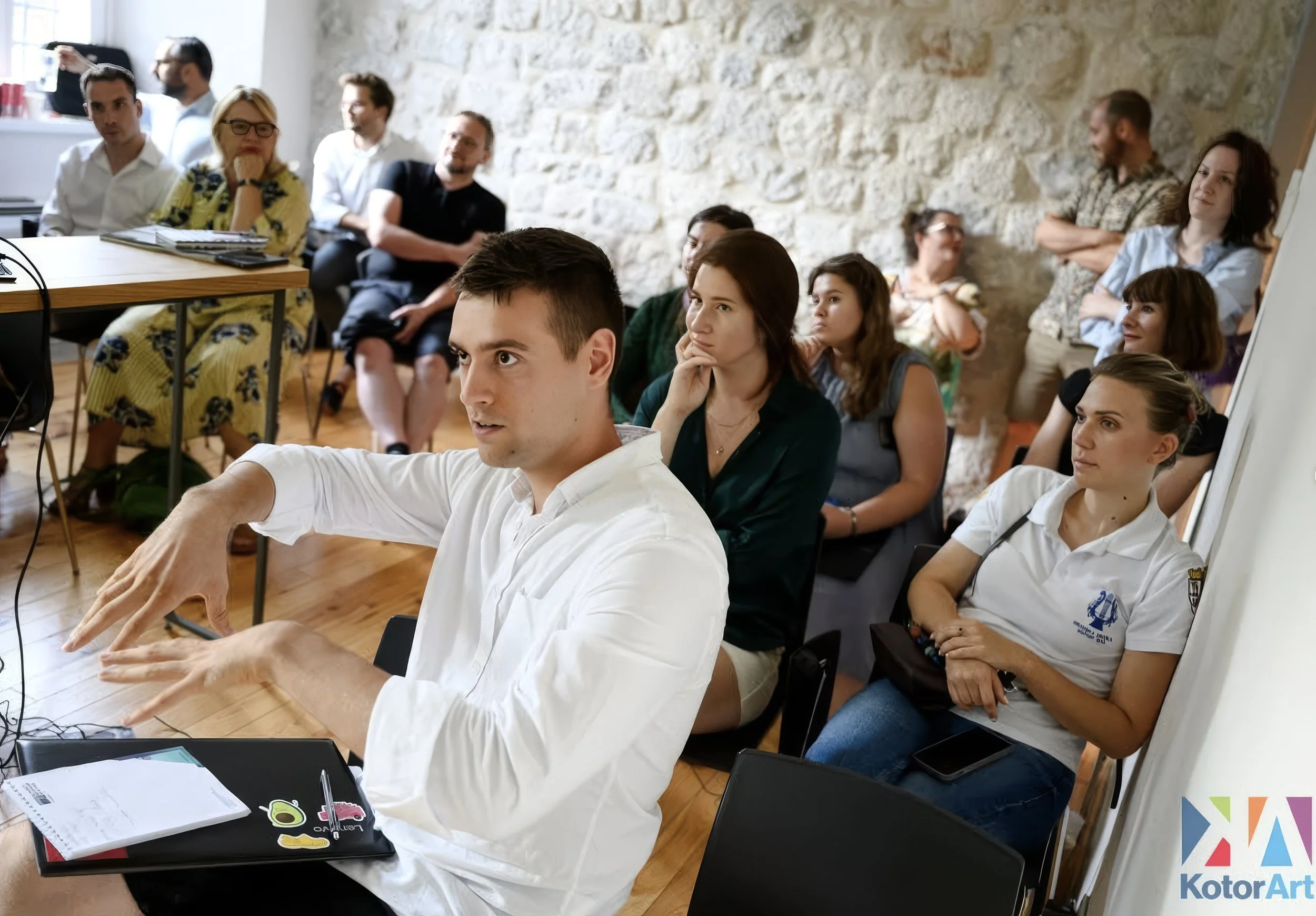
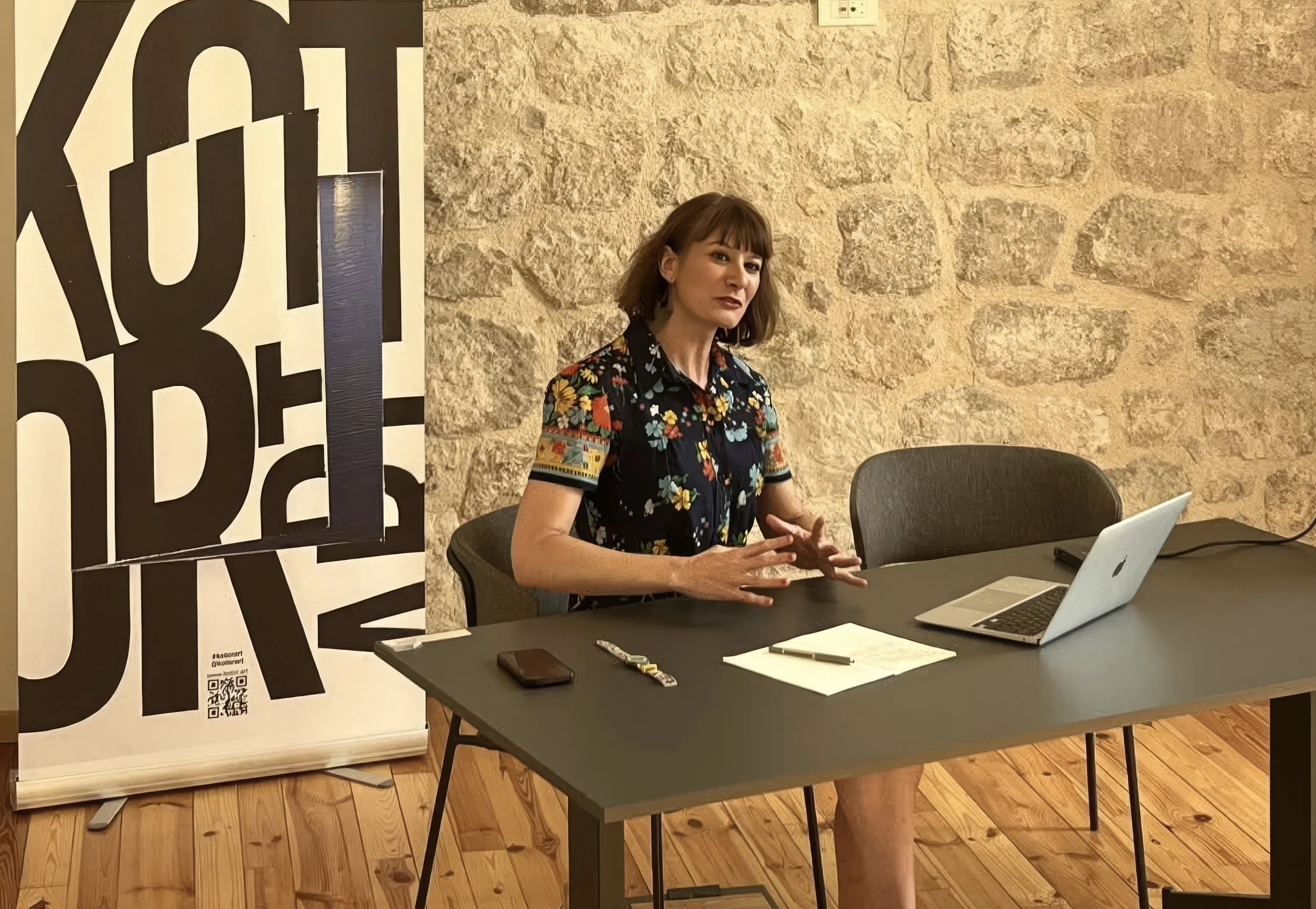
In August 2025, Andy Brydon of Creative Placemakers joined KotorArt Academy in Montenegro as an invited international expert, sharing the knowledge, processes and practical skills needed for emerging creative professionals to develop their work internationally.
Drawing on extensive experience of building and delivering cross-border cultural projects, Andy explored how artists, producers and cultural organisations from the Western Balkans can work confidently at a European level. The sessions considered opportunities through the Creative Europe Cooperation programme and other international funding mechanisms, alongside approaches to building independent creative careers and collaborations that do not depend on institutional support.
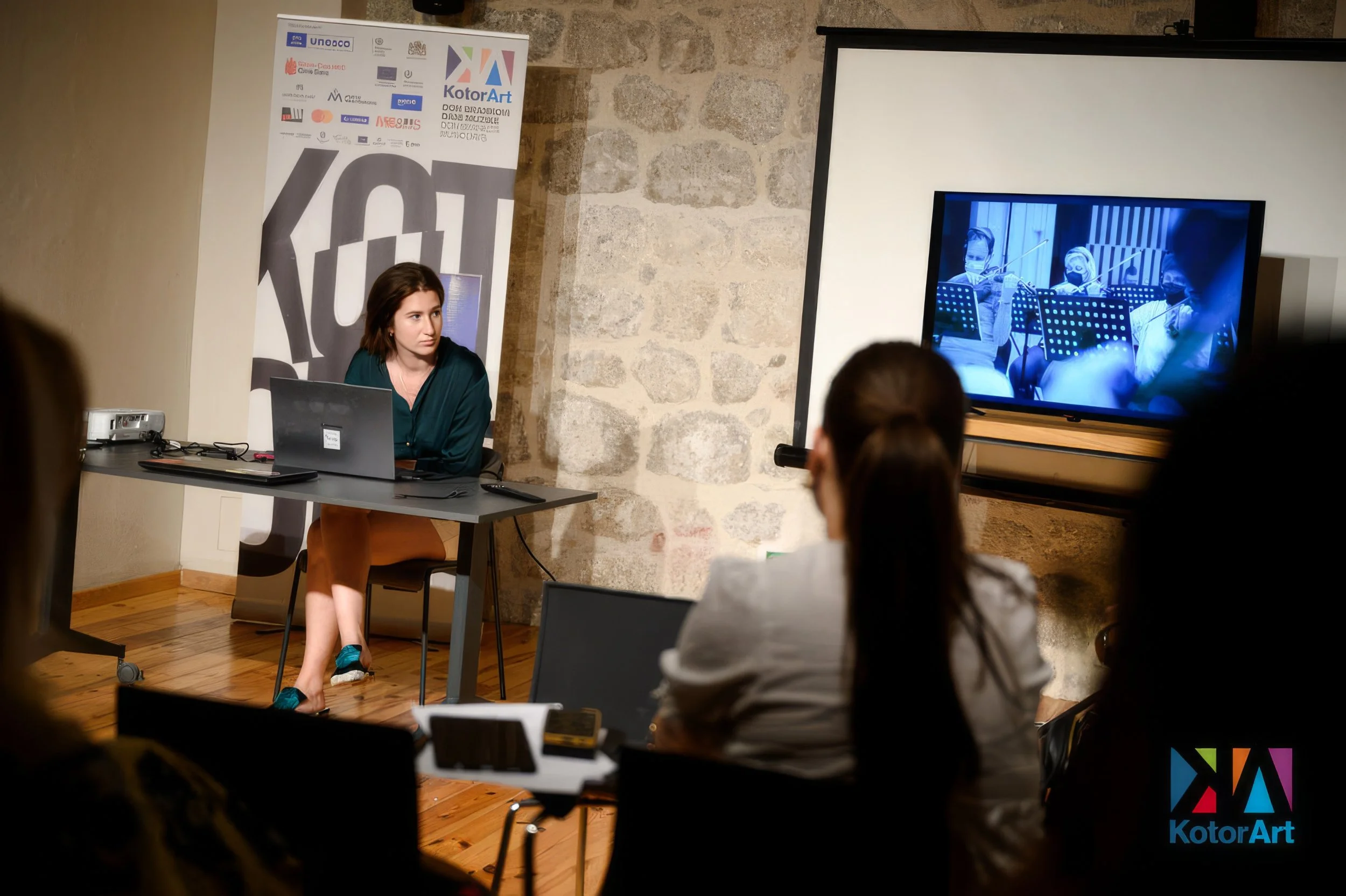
Taking place as part of the KotorArt International Festival, the Academy brought together emerging cultural professionals and experienced international practitioners to explore how creative ideas can develop into sustainable projects, partnerships and professional opportunities across Europe.
Building the Capacity to Work Internationally
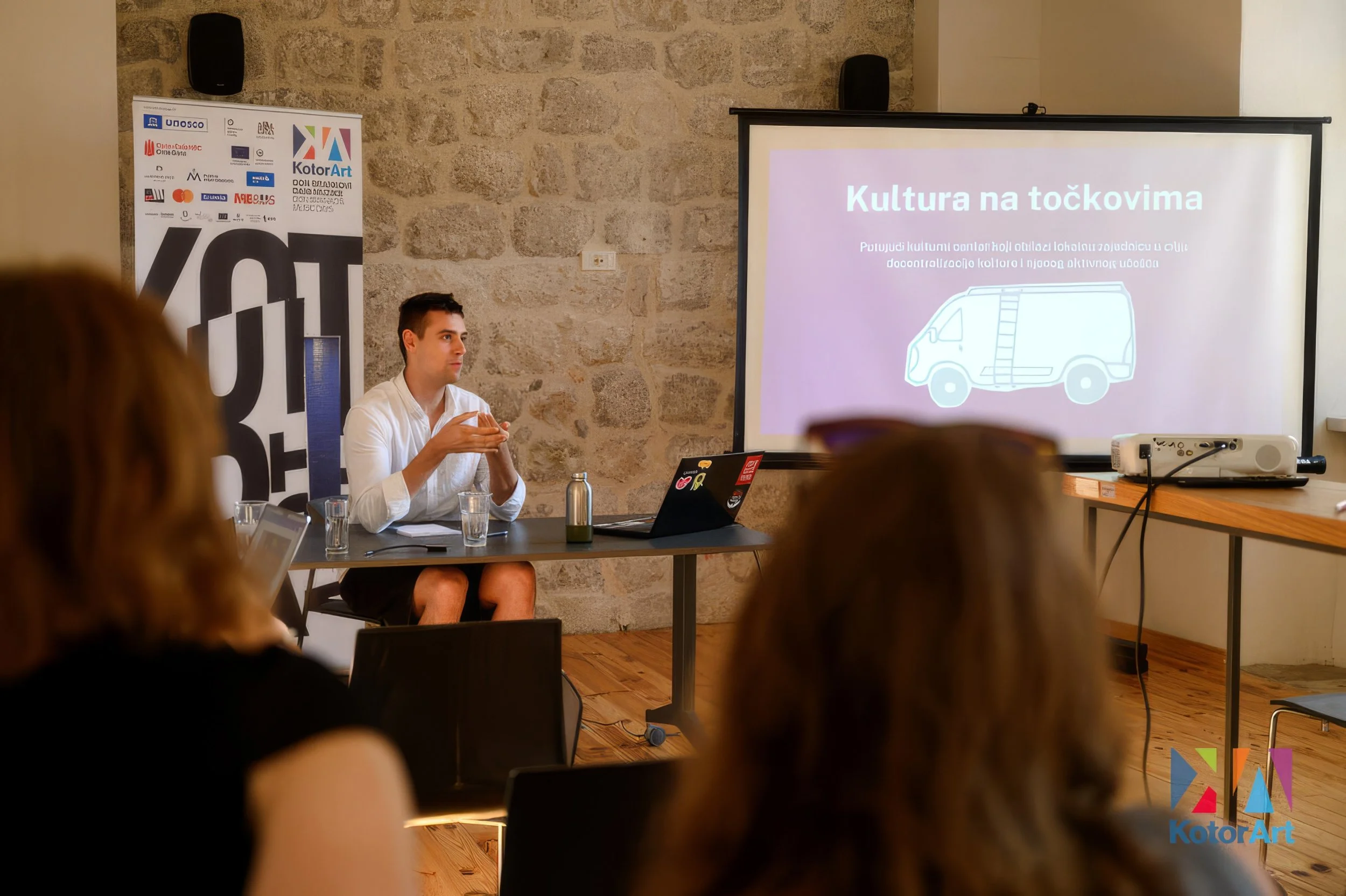
Working internationally requires more than identifying funding opportunities. It demands an understanding of how to build relationships, develop shared ambitions, communicate across different cultural contexts and manage the practical challenges of producing work across borders.
Andy’s contribution focused on making these processes accessible to emerging creative professionals, drawing on the methods Creative Placemakers has developed through years of international cooperation. Participants explored how to identify potential collaborators, understand their respective strengths and resources, develop projects around shared creative interests and establish working relationships that can support ambitious international activity.
Central to this approach was the idea that creative professionals do not need to wait for an invitation from an established institution to begin working internationally. By developing their own networks, understanding how international projects operate and building the confidence to approach potential collaborators, independent artists and producers can create opportunities for themselves.
Understanding Creative Europe and International Funding
The Creative Europe Cooperation programme offers significant opportunities for cultural organisations and creative professionals to develop collaborative projects with partners across Europe.
Drawing on Creative Placemakers’ experience of developing and managing European cooperation projects, Andy introduced the practical considerations involved in building international partnerships capable of working within these programmes. This included understanding how collaborative projects are developed, how organisations establish complementary roles and responsibilities, and how artistic ambitions can be translated into coherent programmes of activity with shared outcomes.
The sessions also considered the wider landscape of international cultural funding, recognising that Creative Europe is one of several routes through which artists and organisations can access resources, develop partnerships and reach new audiences. An important distinction was made between developing a project to respond to a funding opportunity and identifying the funding that can support an existing creative ambition. By starting with the work, the people involved and the value of the proposed collaboration, creative professionals can develop stronger projects that are less dependent on any single funding programme.
Independent Creative Practice Beyond Funding Programmes
While international funding can provide important resources, the ability to work across borders is equally valuable to independent artists, producers and creative businesses.
The Academy explored how the same principles used to develop large European cooperation projects can be applied at a smaller scale, helping individuals establish professional relationships, initiate collaborations and develop opportunities without necessarily forming a funded consortium. For emerging creative professionals, this means understanding how to approach international partners, communicate the value of their work, negotiate responsibilities and develop realistic models for collaboration.
It also means recognising the opportunities available through commissions, co-productions, residencies, professional networks and direct relationships with artists and organisations in other countries. These approaches allow creative professionals to build international experience incrementally, developing the relationships and track record that can support more ambitious work in the future.
Learning from International Cooperation in Practice
Creative Placemakers’ contribution drew on experience across a range of international cultural initiatives, including Moving Classics: Sonic Bridges, a Creative Europe-funded project connecting filmmakers, composers and cultural organisations from Iceland, Ireland, Cyprus, Bosnia and Herzegovina, Montenegro and North Macedonia.
Projects such as Moving Classics demonstrate how international cooperation can bring together organisations with different resources, experiences and cultural perspectives to develop work that would be difficult to achieve independently. They also provide practical lessons in managing collaboration across different countries, balancing artistic independence with collective responsibilities and maintaining effective communication throughout complex creative processes. Sharing these experiences offered participants insight into both the opportunities and challenges of European cooperation, including the importance of realistic planning, transparent decision-making and sustained relationships between partners.
Rather than presenting international collaboration as a specialist activity reserved for established organisations, the sessions sought to demonstrate how its underlying methods can be understood and applied by creative professionals at different stages of their careers.
Connecting Western Balkan Talent with European Opportunities
The second edition of KotorArt Academy brought together emerging producers, cultural managers and arts professionals from across the Western Balkans for an intensive programme of lectures, workshops, mentoring and project development.
The programme addressed international cooperation, cultural financing, sustainable production, legal frameworks and European touring strategies, encouraging participants to consider how their work could develop beyond national and regional boundaries. For the Western Balkans, where creative professionals often operate within relatively small domestic markets, the ability to build international relationships can be particularly important. Access to European networks creates opportunities to share expertise, reach wider audiences, develop new markets and participate in ambitious collaborative projects. The Academy provided a setting in which participants could connect these wider opportunities with their own creative ambitions and begin identifying practical routes towards international activity.
A central ambition of MCSBs’ contribution was to help participants see international collaboration as an achievable part of their professional practice.
Whether developing a Creative Europe Cooperation Project, seeking support from another international funder or independently establishing relationships with artists and producers in other countries, the fundamental skills remain closely connected. Successful international work depends on the ability to identify shared interests, build trust, communicate clearly, manage resources and develop creative ideas that offer value to everyone involved.
By sharing practical methods alongside experience from completed and ongoing projects, the Academy helped connect the ambitions of emerging Western Balkan creative professionals with the processes needed to realise them. For Creative Placemakers, participation in KotorArt Academy reflected a commitment to widening access to international cultural opportunities and supporting creative professionals to become active participants in European cultural cooperation.